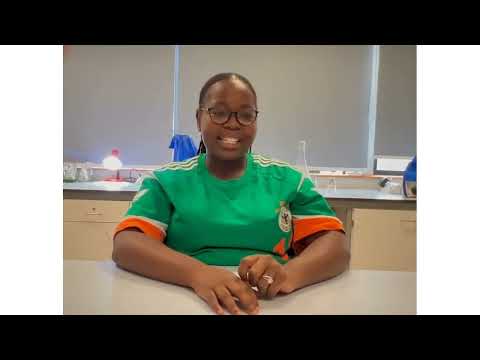
I design lessons that are student-centered, goal-oriented, and flexible. Each session is planned to build skills progressively while keeping the student engaged and confident. Lessons combine clear explanation, guided practice, real-world application, and regular review to ensure lasting understanding.
Teaching methods
Personalized learning: I assess each student’s strengths, gaps, and learning...
I design lessons that are student-centered, goal-oriented, and flexible. Each session is planned to build skills progressively while keeping the student engaged and confident. Lessons combine clear explanation, guided practice, real-world application, and regular review to ensure lasting understanding.
Teaching methods
Personalized learning: I assess each student’s strengths, gaps, and learning preferences and adapt content and pace accordingly. Every lesson has clear, achievable objectives tied to the student’s long-term goals.
Active learning: Lessons emphasize doing problem-solving, speaking, composing, coding, or performing rather than passive listening. Students learn by practicing with immediate feedback.
Scaffolding: I break complex topics into manageable steps and gradually increase difficulty as the student gains mastery, making sure fundamentals are secure before moving on.
Multi-modal instruction: I use a mix of explanation, visual aids, examples, analogies, demonstrations, and hands-on activities to suit different learning styles (visual, auditory, kinesthetic).
Formative assessment: Short checks for understanding (quizzes, quick exercises, live corrections) are used throughout lessons to adjust instruction in real time.
Mastery and spaced review: Key concepts are revisited across sessions using retrieval practice and spaced repetition to transfer learning to long-term memory.
Encouragement and growth mindset: I foster a supportive atmosphere where questions and mistakes are treated as essential steps in learning, helping students build resilience and confidence.
Lesson content
Clear learning objectives: Each lesson opens with explicit goals so students know what they’ll be able to do by the end.
Conceptual foundations: Lessons cover core principles and logical structure, not just memorization of facts or procedures.
Skill development: Practical exercises, problem sets, or projects give students opportunities to apply concepts and build fluency.
Real-world relevance: I connect topics to everyday examples, current events, or authentic tasks to increase motivation and retention.
Differentiation and extension: For students who need extra practice, I provide targeted remedial exercises; for advanced learners, I include deeper challenges or project-based extensions.
Resources and homework: Lessons conclude with clear, manageable homework or practice recommendations and curated resources (readings, videos, worksheets) for reinforcement.
Lesson dynamics
Warm-up and recap (5–10 minutes): Quick review of previous material and a short diagnostic question to activate prior knowledge.
Introduction of new material (15–25 minutes): Clear explanations with examples; I check understanding often and use analogies or visuals where helpful.
Guided practice (15–30 minutes): Student works on problems or activities while I coach, give feedback, and correct misconceptions in real time.
Independent practice or application (10–25 minutes): Students try new problems or tasks independently to consolidate learning; in some lessons this is the main focus (e.g., writing drafts, lab work, coding tasks).
Wrap-up and reflection (5–10 minutes): We summarize key takeaways, clarify any remaining doubts, and set concrete goals or practice tasks for the next session.
Flexibility: Depending on the student’s needs (exam prep, remedial work, project progress), I can adjust timing and emphasis within a lesson.
I have a year of teaching/tutoring experience working with learners of different ages and levels (children, teens, adults) in both one-on-one and small group settings.
Mehr anzeigen Weniger anzeigen